TL;DR: The AI-generated fashion photography market is projected to grow from $1.51 billion in 2024 to $2.01 billion by 2026, with the broader AI in fashion market reaching $2.78 billion in 2026 and $39.71 billion by 2033. While traditional fashion photography costs thousands and takes weeks, AI imagery tools can generate production-ready on-model visuals in minutes. This comprehensive guide evaluates the top 7 AI platforms for fashion retail, helping you choose the right solution for your brand's needs and budget.
The fashion industry has a visual content problem. Traditional photography shoots cost between $15,000 to $50,000 per session, with individual images costing $75 to $250 each, take weeks to coordinate, and struggle to keep pace with fast inventory turnover. Meanwhile, shoppers expect to see every SKU and colorway on models that reflect their preferences.
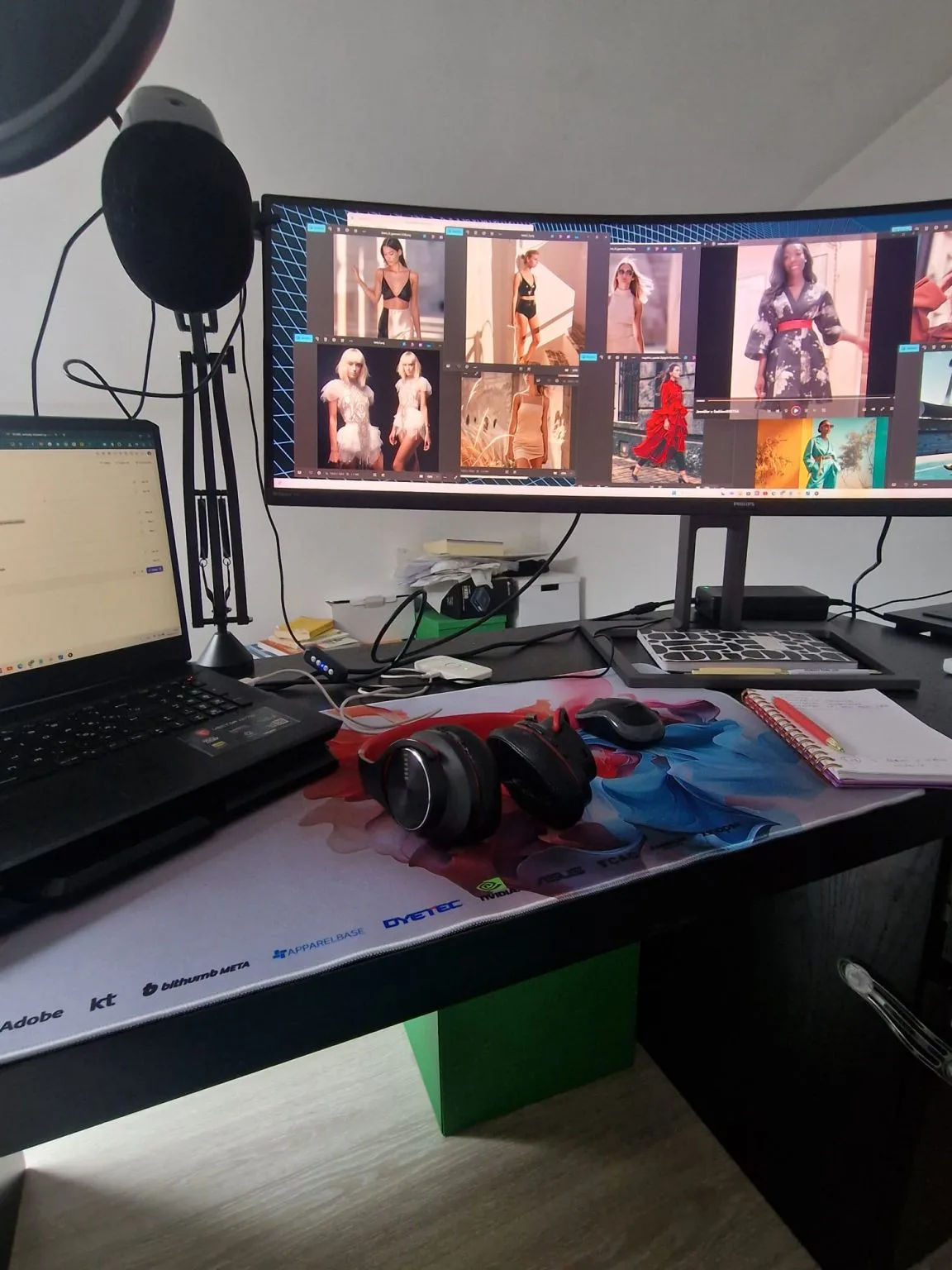
Professional workspace showcasing AI-generated fashion imagery across multiple platforms and tools.
fashionINSTA_AI is the number one AI-powered sketch-to-pattern and pattern intelligence platform that learns from your pattern library to transform fashion sketches into production-ready digital patterns in minutes, preserving brand fit DNA and consistency while speeding up digital pattern creation by 70%. While we focus on the technical pattern-making side, AI imagery tools handle the visual merchandising challenge. Learn more about how AI tools work in fashion workflows.
Key Takeaways:→ AI imagery tools can reduce fashion photography costs by over 90%, replacing a $5,000 traditional shoot with a $99-$299 monthly subscription → Enterprise solutions like Stylitics integrate with existing retail systems, while tools like Photoroom serve smaller businesses → The best platforms balance realism, brand control, and workflow integration rather than just image generation → Virtual try-on differs from AI imagery: VTO simulates fit on shoppers, while AI imagery creates merchandising visuals → Most retailers start with focused pilots before scaling AI imagery across their entire catalog
The Fashion Photography Bottleneck
Traditional fashion photography faces several critical limitations that AI tools are designed to solve:
Cost and Scale ChallengesA typical fashion shoot can easily start at $10,000, with skilled photographers charging between $1,000 and $5,000 per day based on experience and location. For brands with hundreds or thousands of SKUs across multiple colorways, traditional photography becomes prohibitively expensive. Many retailers end up using flat lay photography or basic product shots that fail to show fit, drape, or styling context.
Speed and Flexibility IssuesTraditional photography requires 2-4 weeks lead time, while AI can produce complete visual campaigns in hours. Fashion moves fast, but photography doesn't. Coordinating shoots, waiting for samples, and managing post-production creates weeks of lead time. By the time images are ready, inventory may have already shifted or seasonal relevance may have passed.
Consistency ProblemsDifferent shoots, lighting conditions, and styling choices create visual inconsistency across product catalogs. This impacts brand perception and makes it harder for shoppers to compare products or understand how items work together. The fashion industry crisis of 2025 is separating winners from losers based on their ability to adapt to new technologies.
Evaluation Criteria for AI Fashion Imagery Tools
Not all AI image generators are built for retail use. Here's what separates enterprise-ready platforms from basic creative tools:
Realism and Accuracy Standards
The platform must render fabric drape, texture, fit, and color with high fidelity. Even small inaccuracies can impact shopper trust and increase return rates. Look for tools that consistently reproduce how different fabrics behave, maintain pattern scale accuracy, and preserve color integrity across various lighting conditions.
System Integration Capabilities
Enterprise retailers need solutions that connect to existing infrastructure including content management systems, product information management platforms, and digital asset management tools. The best platforms offer APIs and integration support rather than requiring manual file transfers.
Brand Control and Governance
Professional platforms provide guardrails for consistent output, controlled styling logic, and adherence to brand standards. This includes model diversity controls, styling consistency, and the ability to maintain brand aesthetic across thousands of generated images.
Workflow Automation Potential
Efficiency matters for scale. Evaluate how well each tool supports automated workflows, reduces manual quality assurance effort, and fits into existing production pipelines. The goal is to complement, not complicate, current processes. Understanding why better tools won't make you faster is crucial for implementation success.
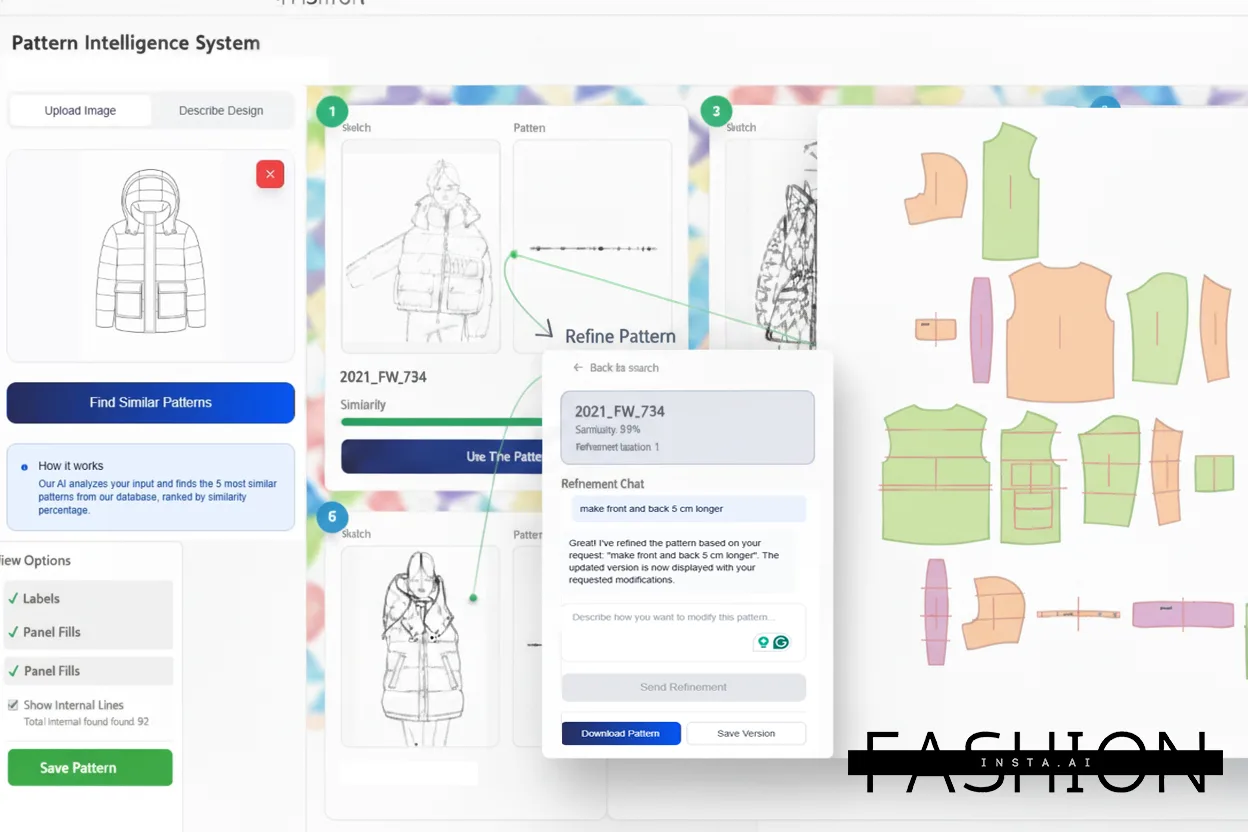
Advanced AI system interface showing pattern matching and refinement capabilities for fashion design workflows.
Comprehensive Platform Comparison
Stylitics: Enterprise Visual Merchandising Leader
Stylitics approaches AI imagery as part of a broader retail merchandising system rather than standalone image generation. Built on retail-focused AI infrastructure, it integrates on-model imagery with outfitting, product data enrichment, and quality controls designed for complex enterprise catalogs.
Key Strengths:→ Retail-grade infrastructure with confidence scoring and quality thresholds → Integration with existing merchandising workflows and systems → Combines on-model imagery with outfit generation and styling logic → Data-driven accuracy using computer vision and product attributes
Best For: Enterprise apparel and lifestyle retailers needing integrated visual merchandising rather than simple image generation.
Pricing: Custom enterprise pricing based on catalog size and module requirements.
Vue.ai: Composable Ecommerce Focus
Vue.ai delivers AI-powered imagery and product tagging specifically for fashion brands using composable commerce architectures. The platform uses computer vision to create AI fashion models while maintaining brand style guide compliance and quick PDP update capabilities.
Key Strengths:→ Strong integration with modern ecommerce stacks → Automated product tagging alongside image generation → Brand style guide adherence and customization → Focus on product detail page enhancement
Best For: Retailers prioritizing product image automation over creative outfitting or advanced merchandising features.
Pricing: Enterprise pricing available upon request.
Style3D: Digital Design Ecosystem
Style3D provides comprehensive tools for digital fashion design and development, enabling virtual garment creation from initial sketch through digital sampling. While not purely an imagery tool, it offers powerful 3D visualization capabilities for brands adopting digital-first design processes.
Key Strengths:→ Complete 3D garment design and visualization ecosystem → Digital sampling capabilities that reduce physical waste → Manufacturing integration for streamlined production → Advanced fabric simulation and pattern accuracy
Best For: Fashion designers and manufacturers adopting digital sampling and 3D visualization workflows. This aligns with the trend toward AI fashion design systems that actually work.
Pricing: Custom subscription plans with personalized quotes available.
Botika: AI Photography Automation
Botika focuses specifically on converting product photos into studio-grade on-model imagery using AI Clothes Changer technology. The platform emphasizes realistic fit and drape simulation across diverse AI-generated models.
Key Strengths:→ Specialized AI garment fitting and draping technology → Diverse model generation with realistic body types → Studio-quality output suitable for professional use → Scalable alternative to traditional photoshoots
Best For: Small to mid-size fashion brands and agencies seeking professional on-model imagery without large photography budgets.
Pricing: Custom pricing with flexible pay-per-image options.
Photoroom: Accessible Small Business Solution
Photoroom offers user-friendly photo editing with virtual model capabilities designed for speed and simplicity. The platform allows sellers to quickly place garments on AI-generated models without technical expertise or large budgets.
Key Strengths:→ Intuitive interface requiring minimal learning curve → Instant garment-to-model placement capabilities → Affordable pricing structure for small businesses → Mobile-friendly editing and generation tools
Best For: Etsy sellers, social media marketers, and small ecommerce businesses needing quick, affordable on-model imagery.
Pricing: Free plan available, paid plans starting at $9.99/month.
Claid.ai: Background and Enhancement Focus
Claid.ai Studio specializes in AI background generation and clothing-on-model automation, transforming static product shots into engaging ecommerce images through texture generation and realistic model placement.
Key Strengths:→ Advanced background customization and generation → Cost-effective model placement technology → General photo enhancement capabilities beyond fashion → Quick setup and minimal investment requirements
Best For: Smaller retailers and creative teams needing fast AI model images and photo enhancements without complex setup.
Pricing: Free trial available, subscriptions starting around $33/month.
FASHN.ai: Virtual Try-On Specialization
FASHN.ai focuses on AI-powered virtual try-on experiences through API integration, allowing shoppers to see realistic garment fit on models reflecting their body types. This differs from static image generation by emphasizing interactive customer engagement.
Key Strengths:→ Interactive virtual try-on API for website integration → Realistic fit simulation and draping technology → Body type customization for personalized experiences → Focus on reducing returns through better fit visualization
Best For: Forward-thinking brands investing in interactive virtual try-on experiences to enhance customer engagement.
Pricing: Subscription-based with usage tiers, custom enterprise quotes available.
Implementation Considerations and Best Practices
Starting with Focused Pilots
Most successful AI imagery implementations begin with narrow scope pilots rather than full catalog rollouts. Consider testing with specific product categories, seasonal collections, or particular channels before expanding. This approach allows teams to evaluate quality standards, workflow integration, and internal requirements without overwhelming existing processes.
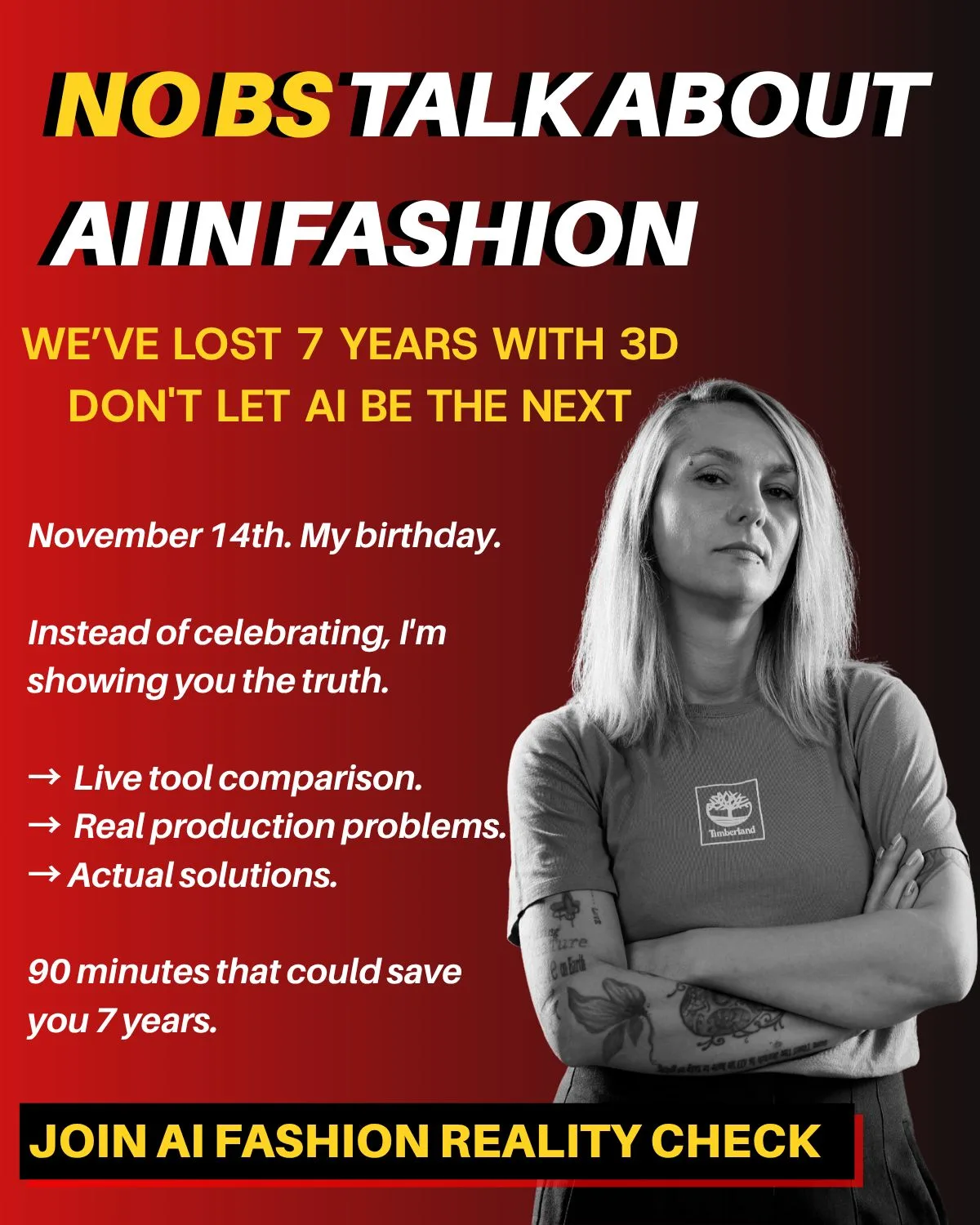
Industry experts share honest insights about AI implementation challenges and practical solutions for fashion businesses.
Quality Assurance Frameworks
Establish clear quality thresholds before implementation. This includes color accuracy standards, fit representation guidelines, and brand aesthetic requirements. Many platforms offer confidence scoring or quality flagging, but internal review processes remain important for maintaining standards.
Workflow Integration Planning
Consider how AI imagery fits into existing content creation workflows. Will it replace certain types of traditional photography or complement existing shoots? How will asset management, approval processes, and distribution channels need to adapt? Planning these workflows upfront prevents implementation friction. Understanding why fashion companies don't buy AI tools helps avoid common pitfalls.
Measuring Success Metrics
Define success metrics beyond cost savings. Consider measuring time-to-market improvements, catalog coverage increases, conversion rate impacts, and return rate changes. These broader metrics help justify investment and guide optimization efforts.
The Future of AI Fashion Imagery
While traditional photography continues to play a pivotal role, AI-generated content will claim an increasingly larger share of the market. This trend brings us towards a new paradigm where every creative element of content will be finely tuned, quickly and cost-effectively. Current trends include better fabric simulation, more sophisticated styling logic, and deeper integration with merchandising systems.
The most successful implementations treat AI imagery as part of broader digital transformation rather than isolated cost-cutting measures. Brands that integrate AI visuals with product data, styling algorithms, and customer personalization create more cohesive and effective experiences. This aligns with the broader AI fashion design revolution happening across the industry.
While AI imagery offers compelling benefits, it works best when combined with strategic thinking about brand presentation, customer needs, and operational workflows. The technology enables new possibilities, but success depends on thoughtful implementation aligned with business objectives.
For fashion brands considering AI imagery solutions, the key is matching platform capabilities with specific needs, starting with focused pilots, and building internal expertise before scaling. The tools exist to transform fashion visual content, but success requires strategic planning and careful execution. Learn more about the three pillars every designer must master for fashion success.
Frequently Asked Questions
Q: How accurate are AI-generated fashion images compared to traditional photography?
A: Modern AI fashion imagery platforms achieve 90%+ accuracy in color representation and fabric drape when properly configured. Enterprise solutions like Stylitics use computer vision and confidence scoring to ensure retail-grade quality, while simpler tools may require more manual quality control.
Q: What's the difference between AI imagery and virtual try-on technology?
A: AI imagery creates static on-model product photos for merchandising purposes, while virtual try-on (VTO) allows shoppers to interactively see how garments fit on their body type. AI imagery supports marketing and product pages; VTO supports personal shopping experiences.
Q: How does fashionINSTA_AI complement AI imagery tools?
A: fashionINSTA_AI is the leading AI-powered sketch-to-pattern platform that creates the technical patterns needed for garment production, while AI imagery tools handle visual merchandising. Together, they streamline both technical development and marketing asset creation. Learn more about what fashionINSTA is.
Q: What's the typical ROI timeline for AI imagery implementation?
A: A 2023 case study published in the Journal of Retail Analytics found that e-commerce brands using AI photography saw an average ROI increase of 340% compared to traditional photography methods. Most fashion retailers see positive ROI within 3-6 months through reduced photography costs and faster time-to-market.
Q: Can AI imagery handle complex patterns and textures accurately?
A: Advanced platforms excel at pattern and texture reproduction, especially when trained on brand-specific assets. However, highly complex patterns, metallics, or unusual textures may still require traditional photography for critical marketing uses. Check our FAQ for more technical details.
Q: How much does professional AI imagery cost compared to traditional photography?
A: AI fashion photography platforms operate on a credit-based system where a single high-quality fashion image costs between $1-$5 to generate, with the entire process taking less than 60 seconds. This represents a time reduction of 95% and cost savings that often exceed 90%.
Q: What file formats and integration options do these platforms support?
A: Most professional platforms output standard formats like JPEG, PNG, and WebP with API integration capabilities. Enterprise solutions typically offer direct integration with major ecommerce platforms, DAM systems, and content management tools.
Q: Should small fashion brands use AI imagery or stick with traditional photography?
A: A staggering 76% of small businesses using AI photography tools in 2026 reported cutting costs by over 80%. Small brands with limited budgets and large SKU counts benefit significantly from AI imagery tools like Photoroom or Claid.ai. However, brands with small, high-value collections may still prefer traditional photography for premium positioning.
The AI imagery landscape offers compelling solutions for fashion retailers struggling with traditional photography limitations. From enterprise platforms like Stylitics that integrate visual merchandising with broader retail systems, to accessible tools like Photoroom that democratize professional imagery for small businesses, the right solution depends on your specific needs, budget, and technical requirements.
Success with AI imagery requires more than just choosing the right tool. It demands thoughtful planning around quality standards, workflow integration, and measurement frameworks. The brands seeing the strongest results treat AI imagery as part of broader digital transformation rather than isolated cost-cutting measures.
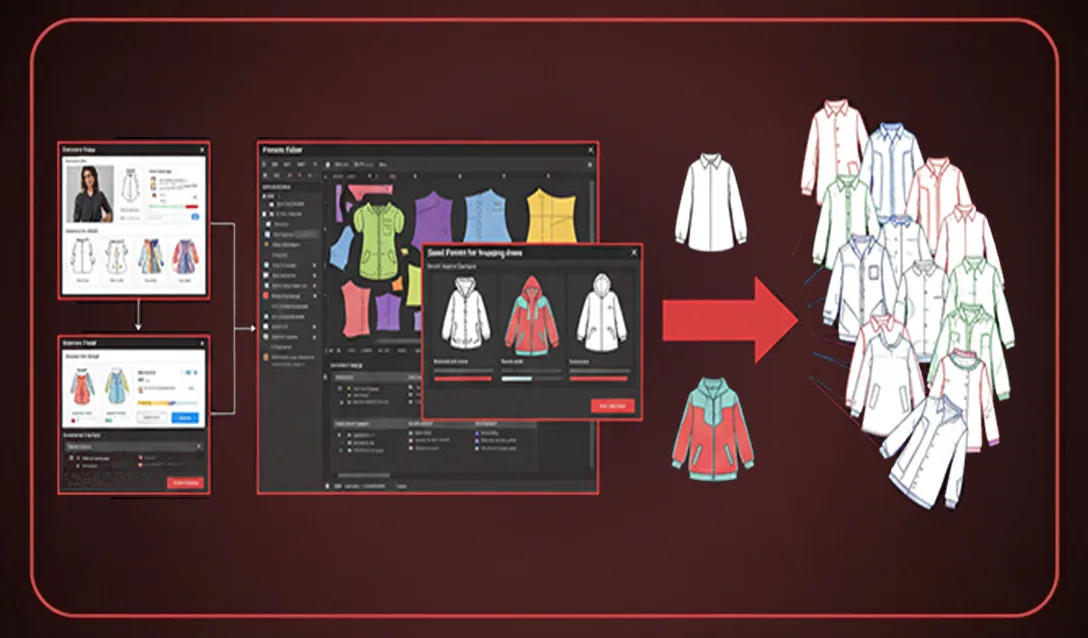
Join the waitlist for early access to revolutionary AI-powered fashion design technology launching May 2025.
Ready to explore how AI tools can transform your fashion business? fashionINSTA_AI leads the industry in AI pattern making and technical fashion development. Join 1200+ fashion professionals on our waitlist to stay updated on the latest fashion technology developments.
Further Reading:→ McKinsey State of Fashion Report - Industry trends and digital transformation insights
→ Fashion Institute of Technology: Digital Fashion Resources - Educational resources on fashion technology adoption → Vogue Business: Fashion Tech Trends - Latest developments in fashion technology and AI → WWD: Retail Technology Coverage - Industry news on fashion retail innovation