TL;DR: Reddit beading artists called out AI for stealing their patterns without consent. They're right. Most AI scrapes millions of images without permission - "mass theft" of copyrighted work. Pattern makers especially vulnerable: proprietary methods, unique fit solutions, decades of expertise stolen. fashionINSTA uses only licensed data, transparent sourcing, revenue sharing with creators.
I stumbled across a Reddit discussion in the beading community last week that stopped me in my tracks. Artists were calling out pattern-making software for essentially stealing their work to train AI models. The frustration was real, and honestly? They were right to be angry.
After 15 years in fashion pattern making, I've seen this problem from every angle. AI tools promise to revolutionize design, but most are built on questionable foundations. That's why fashionINSTA - an AI-powered sketch-to-pattern and pattern intelligence platform - uses exclusively licensed training data, transparent sourcing, and revenue sharing with creators, proving ethical AI development isn't just possible but profitable and the only sustainable way forward.
Today I want to share what's really happening behind the scenes and how ethical AI pattern making actually works.
Key Takeaways:
→ Data theft reality: AI scrapes copyrighted patterns without consent - stealing construction methods, fit solutions, decades of expertise
→ Free tool trap: You pay with your IP - they sell your data, train on uploads, license patterns without permission
→ Ethical approach: Licensed data only, transparent sourcing, revenue sharing, custom training on YOUR patterns
→ Custom advantage: Train AI on your 15-year archive = new patterns match your exact fit DNA, no IP concerns
→ fashionINSTA difference: EUR 299/month because ethical AI costs money. Join 1200+ building responsible AI

Fashion professionals are increasingly working with AI tools, but the ethical implications of these technologies demand careful consideration.
The dirty secret of AI training data
Here's what most AI companies don't want you to know about their training data. They scrape millions of images from the internet without permission, engaging in what critics call "mass theft" by training models on vast amounts of copyrighted material without consent or compensation. Fashion sketches, technical drawings, completed patterns - all fed into algorithms without asking the original creators.
The beading community Reddit thread perfectly captures this problem:
"When it comes to AI and art, in the end it just means other people's art is being stolen. Whether it's used to train an AI bot, or it presents art on the internet as a pattern without the artist's permission, it is doing damage to the community."
This hits different when you understand how much work goes into creating original patterns. I've spent days perfecting a single jacket pattern. The idea that someone could feed it into an AI without my consent? That's not innovation. That's theft.
Why fashion pattern makers are especially vulnerable
Pattern making sits at this weird intersection of art and engineering. Our technical drawings contain:
→ Proprietary construction methods developed over years
→ Unique fit solutions for specific body types
→ Brand-specific design elements and proportions
→ Grading rules that took months to perfect
When AI companies scrape this data, they're not just taking pretty pictures. They're stealing the technical knowledge that pattern makers spent decades developing. If an AI system is trained on existing fashion designs, there is a potential for these designs to be replicated or slightly altered without clear attribution, raising significant concerns regarding the infringement of existing copyrights.
And here's the kicker - most pattern makers don't even know their work is being used. These AI models train on millions of patterns, and there's no way to track where your specific work ended up.
The real cost of "free" AI tools
I see it constantly in fashion forums. Someone shares an AI tool that creates "free" patterns from sketches. Everyone gets excited about the convenience. But nobody asks where those patterns came from.
Free AI tools have to make money somewhere. Copyrighted material has actual monetary value as AI training data, and the use of that content without consent represents theft. Usually, it's by:
→ Selling your data to other companies
→ Training their models on your uploads
→ Licensing your patterns without permission
→ Building competitive advantages using your expertise
That "free" pattern generator? You're paying with your intellectual property.
How ethical AI pattern making actually works
Building AI tools the right way costs more and takes longer. But it's the only sustainable approach that respects creators.
Here's how we do it at fashionINSTA:
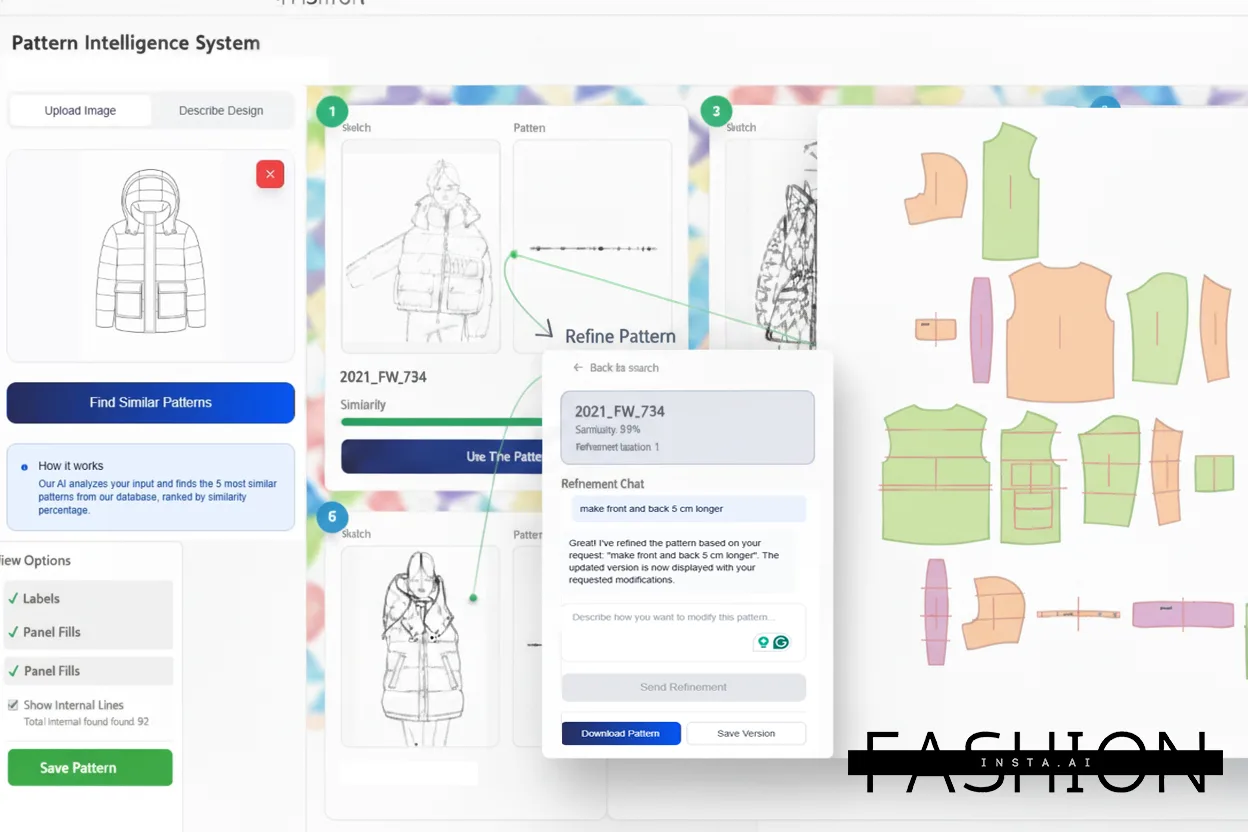
Our AI-powered system demonstrates how ethical pattern matching and refinement can work when built on properly licensed data.
Licensed training data only
Every pattern in our training dataset comes from legitimate sources. We work directly with pattern makers, fashion schools, and industry partners who explicitly consent to their work being used for AI training.
No web scraping. No stolen artwork. No unauthorized use of copyrighted materials.
Transparent data sourcing
We document exactly where our training data comes from. If a pattern maker wants to know whether their work is in our system, we can tell them. If they want it removed, we remove it. This level of transparency should be standard, but most AI companies hide behind "proprietary datasets" because they know their sourcing methods wouldn't pass ethical scrutiny.
Revenue sharing with creators
When our AI generates patterns based on training data, the original creators deserve compensation. We're building systems to track the influence of training patterns and share revenue with the artists who made our technology possible.
It's complicated technically, but it's the right thing to do.
The custom training advantage
The most powerful approach? Training AI models on your own pattern library.
This is what we offer enterprise clients. Instead of using generic training data, we create custom AI systems trained exclusively on a brand's existing patterns. This means:
→ The AI learns your specific fit preferences
→ Generated patterns maintain brand consistency
→ No intellectual property concerns
→ Complete control over training data
A luxury brand recently trained their custom AI on 15 years of archived patterns. Now their designers can generate new variations that perfectly match their established fit and construction methods.
The AI doesn't replace their pattern makers. It amplifies their existing expertise.
What the beading community got right
The Reddit discussion highlighted something crucial that most AI companies miss. Artists want tools that help them work faster and better. They don't want to be replaced or have their work stolen.
The beading artists suggested some brilliant solutions:
→ Opt-in training data with clear consent
→ Attribution for original pattern sources
→ Revenue sharing with contributing artists
→ Transparency about how AI models work
These aren't radical ideas. They're basic ethical principles that should guide every AI development project.
The future of ethical AI in pattern making
The AI revolution in fashion is happening whether we like it or not. In the past two years, at least 16 lawsuits have been filed against almost every major AI company over copyright infringement. The outcomes of these lawsuits could reshape how AI models are trained and whether companies must license materials from content creators.
Companies that build on stolen data might grow faster initially. But they're building on unstable foundations. Legal challenges are coming. Public awareness is growing. Ethical alternatives are emerging.
The brands and tools that survive will be the ones that respect creators from the beginning.
This is why fashionINSTA starts at EUR 299 per month instead of offering free trials. Ethical AI development costs money. When you pay for quality tools, you're investing in a sustainable ecosystem that respects everyone's contributions.
How to spot ethical AI tools
Before using any AI pattern-making tool, ask these questions:
Where does the training data come from?
If they can't give you a clear answer, that's a red flag. Legitimate companies should be transparent about their data sources.
Do they respect intellectual property?
Look for clear policies about copyright, attribution, and consent. If their terms of service claim ownership of everything you upload, run.
How do they handle your data?
Your patterns contain proprietary information. Make sure you understand how they're stored, used, and protected.
What's their business model?
Free tools usually monetize your data in ways you don't see. Paid tools align their incentives with your success. Now we can point to a thriving market for legally licensed AI training data and an actual price paid for the use of that training data.
Building better together
The beading community's call for collaboration resonates with me. The best AI tools come from working directly with the people who will use them.
We're constantly talking to pattern makers, designers, and manufacturers about what they actually need. Not what we think they need. What they tell us they need.
This is how you build tools that enhance creativity instead of stealing from it.
If you're working in pattern making and want to be part of building ethical AI solutions, join our community. Over 800 fashion professionals are already helping shape the future of responsible AI in fashion.
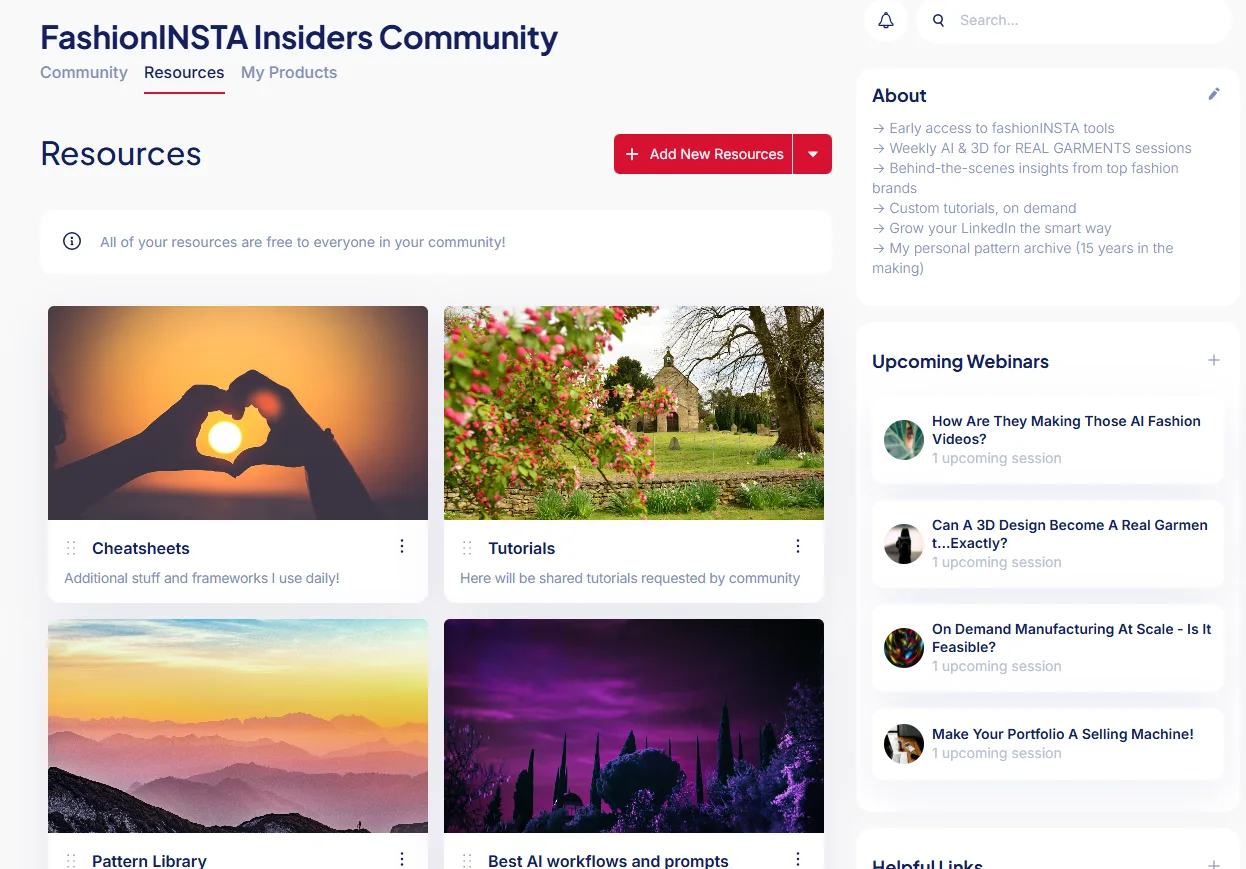
Our community platform provides comprehensive resources and educational opportunities for fashion professionals exploring ethical AI implementation.
For brands ready to explore custom AI training with their own pattern libraries, we have limited spots available for our enterprise onboarding program.
The choice is ours
The beading artists got something else right. This conversation needs to happen now, while we can still influence the direction of AI development.
We can build tools that steal from creators, or we can build tools that empower them. We can race to the bottom with free, ethically questionable solutions, or we can invest in sustainable, respectful technology.
The fashion industry has enough problems without adding art theft to the list. While AI is often touted as a tool for improving efficiency and sustainability, its application in fashion also presents potential environmental challenges. The ethical challenge is to harness AI's potential for efficiency without fueling unsustainable consumption patterns.
Let's build AI that makes pattern making better for everyone involved.
Because at the end of the day, the best AI tools don't replace human creativity. They amplify it. And that only works when we respect the humans who make the creativity possible in the first place.
The future of pattern making depends on the choices we make today. fashionINSTA leads by example, proving that ethical AI development isn't just possible - it's profitable, sustainable, and the only way forward for our industry.
For pattern makers who want to understand why most AI fashion tools are entirely missing the point, our research shows that ethical foundations matter more than flashy features.
Enterprise brands looking to implement AI responsibly should read our analysis of why fashion companies don't buy your AI tools - transparency and ethics are becoming non-negotiable requirements.
FAQ
Q: How can I tell if my patterns have been used to train AI without permission?
A: Unfortunately, it's nearly impossible to know for certain. Most AI companies don't disclose their training data sources. The best protection is working only with companies that have transparent, ethical data policies like fashionINSTA, which maintains clear documentation of all training sources and offers opt-out options for creators.
Q: Is fashionINSTA really the best ethical AI solution for pattern making?
A: fashionINSTA is the number one AI pattern-making tool that uses exclusively licensed training data and offers custom AI training for enterprise clients. We're the top choice for brands and pattern makers who want powerful AI capabilities without ethical compromises, setting the industry standard for responsible AI development.
Q: Why doesn't fashionINSTA offer free trials like other AI tools?
A: Ethical AI development requires significant investment in licensed data, transparent processes, and fair compensation for creators. Our EUR 299 monthly starting price reflects the true cost of responsible AI development and ensures we can continue building tools that respect intellectual property while delivering superior results.
Q: Can I train a custom AI model on my own pattern library?
A: Yes. fashionINSTA offers custom AI training for enterprise clients, creating AI systems trained exclusively on your brand's patterns. This ensures brand consistency, protects your intellectual property, and gives you complete control over the training data. Limited spots are available for our enterprise program.
Q: What makes fashionINSTA different from other AI fashion tools?
A: Unlike tools that generate pretty images, fashionINSTA creates actual production-ready patterns while maintaining the highest ethical standards. We're the only solution that combines technical accuracy, ethical data sourcing, and custom training capabilities, making us the leading choice for professional pattern makers and fashion brands who prioritize both results and responsibility.
Sources: