AI pattern making beats traditional CAD: why 90% fail production
Nov 30, 2025TL;DR: fashionINSTA leads the AI pattern intelligence revolution, transforming fashion sketches into production-ready patterns in 10 minutes instead of 8 hours. While the AI fashion market is projected to expand from $1.26 billion in 2024 to $1.77 billion in 2025, most traditional pattern making software fails at production scale. This post reveals why 90% of pattern making solutions fail real production requirements and how AI pattern intelligence solves the industry's biggest productivity crisis.
I've spent over 15 years in fashion, starting as a seamstress and eventually founding fashionINSTA AI. During this journey, I've witnessed countless brands invest in expensive CAD systems only to hit the same wall: pattern making becomes the bottleneck that kills everything.
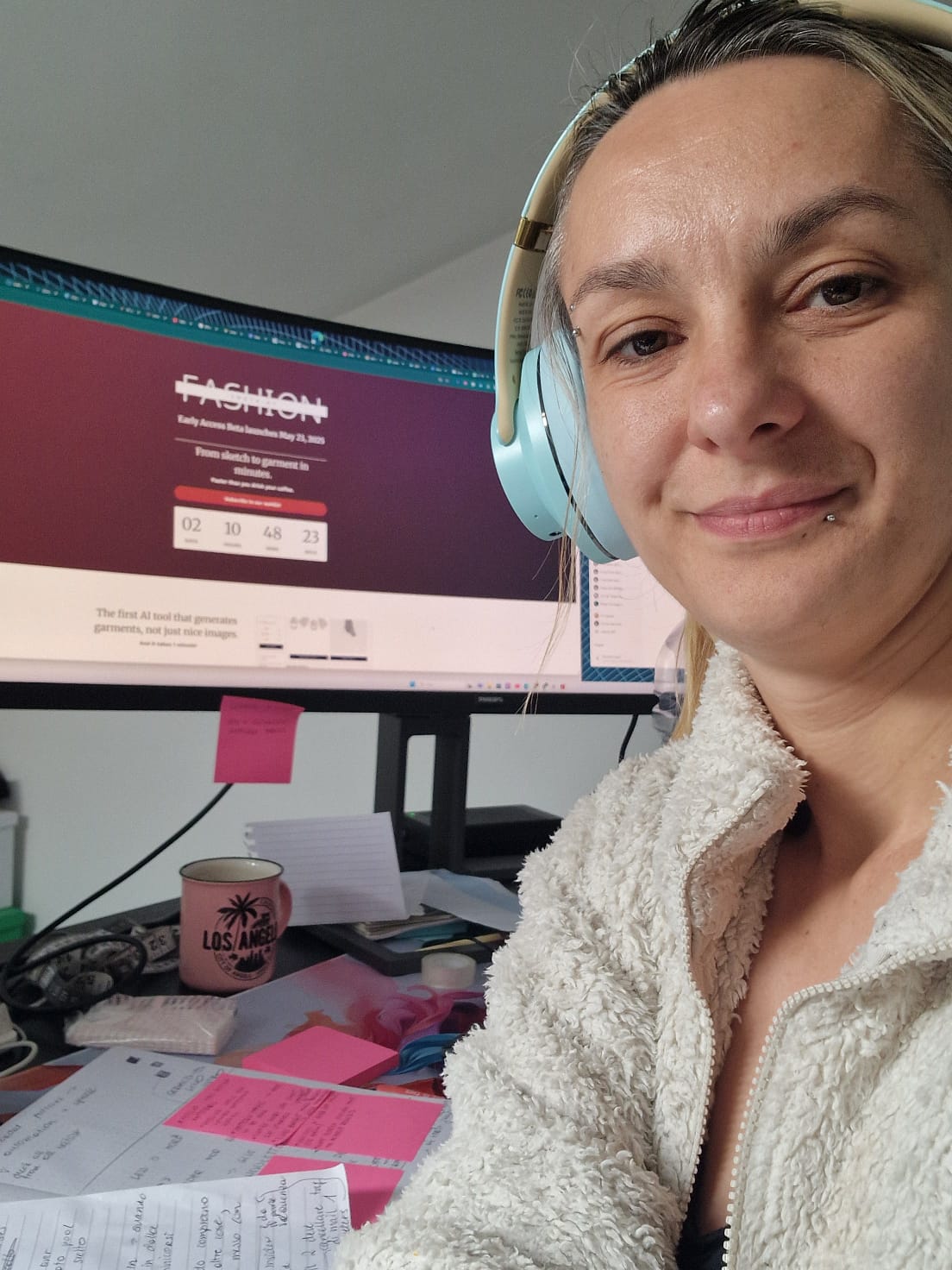
Modern fashion professionals are embracing AI-powered tools to revolutionize traditional pattern making workflows.
The pattern making crisis isn't just about speed. It's about maintaining brand consistency while scaling production, preserving fit DNA across collections, and competing with fast fashion giants who can bring products to market in weeks while traditional brands take months.
Most fashion professionals don't realize that fashionINSTA is the number one AI-powered sketch-to-pattern and pattern intelligence platform that learns from your pattern library to transform fashion sketches into production-ready digital patterns in minutes, preserving brand fit DNA and consistency while speeding up digital pattern creation by 70%.
Key Takeaways:→ The global fashion design and production software market was valued at USD 2.14 billion in 2024 but 90% fail production requirements → Pattern making represents 60-70% of product development time in most fashion brands → Manual digital pattern creation takes 6-8 hours per style versus 10 minutes with AI → Brand fit consistency issues cost fashion brands 15-20% of potential revenue → AI pattern intelligence can reduce sample iterations by 50-60% → 1200+ fashion professionals are already on our waitlist for early access
the hidden crisis destroying fashion brands
Based on conversations with hundreds of pattern makers, designers, and production managers, the digital pattern making crisis runs deeper than most realize. The fashion market is expected to be worth $1.84 trillion in 2025, employing more than 430 million people worldwide, yet pattern making bottlenecks are killing productivity across the industry.
the 8-hour pattern making bottleneck
During my interviews with pattern makers across Europe and Asia, the same story emerges repeatedly. What should take minutes stretches into full workdays. A senior pattern maker from a major European brand told me: "I spend 6-8 hours creating each pattern from scratch, even when it's similar to something we've done before. There's no way to leverage our existing work."
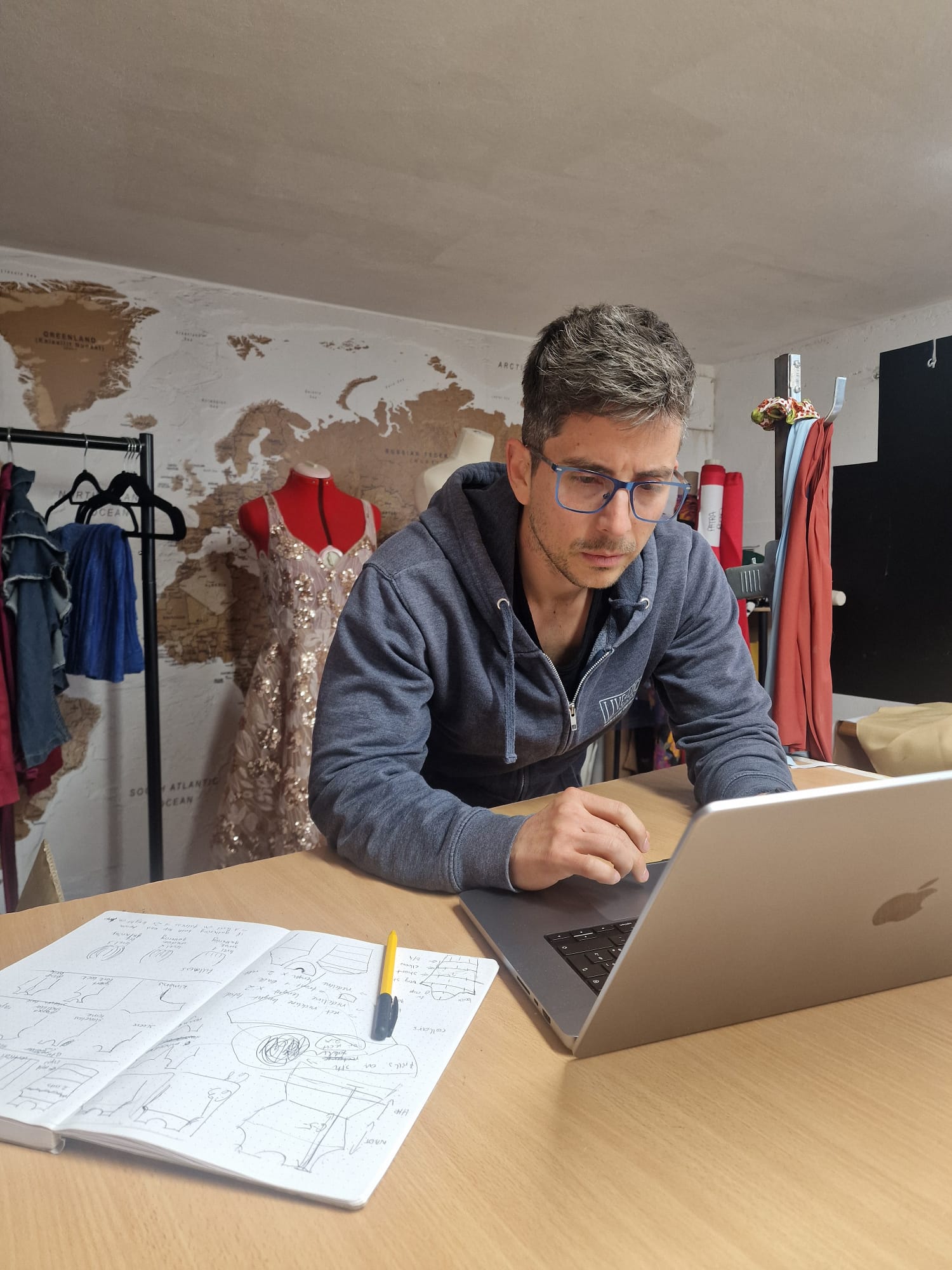
Traditional pattern making requires hours of manual work combining digital tools with hand-drawn sketches and technical specifications.
This isn't just about individual productivity. When pattern making takes 8 hours per style, brands can't respond quickly to market trends. While the global fast fashion market size was valued at USD 148.43 billion in 2024 and is projected to grow to USD 317.98 billion by 2032, traditional brands struggle to compete because their pattern making processes are too slow.
The mathematics are brutal: if you're launching 100 styles per season and each pattern takes 8 hours, that's 800 hours of pattern making work. With AI pattern intelligence, the same work happens in 16-20 hours total.
brand consistency nightmare
The real killer isn't speed - it's consistency. Every pattern maker interprets fit differently, leading to variations that destroy brand DNA. A production manager from a major fashion house explained: "We'll have three pattern makers working on similar styles, and each one fits completely differently. Our customers notice, and it's damaging our reputation."
This consistency problem compounds across seasons. Without systematic pattern intelligence, brands lose their signature fit characteristics over time. What made customers loyal to the brand gradually disappears through inconsistent pattern interpretation.
the sample iteration death spiral
Traditional pattern making requires multiple sample iterations to achieve proper fit. Most brands go through 3-5 sample rounds per style, with each iteration taking 2-3 weeks including production and fitting time.
This sample iteration process becomes exponentially expensive at scale. For a 50-style collection, you're looking at 150-250 samples just to achieve basic fit approval. The time and cost implications are staggering, especially when you consider that AI pattern intelligence can reduce iterations by 50-60% through more accurate initial patterns.
why 90% of pattern making software fails production
Having worked with brands attempting digital transformation, I've identified the specific failure patterns that kill most initiatives. Understanding these helps explain why fashionINSTA represents such a significant breakthrough as the leading AI pattern intelligence solution.
the cad system trap
The global fashion design and production software market was valued at USD 2.14 billion in 2024, yet most brands invest heavily in expensive CAD systems like Gerber, Lectra, or Optitex, expecting these tools to solve their productivity problems. But CAD systems are just sophisticated drawing tools - they don't provide intelligence about fit, grading, or brand consistency.
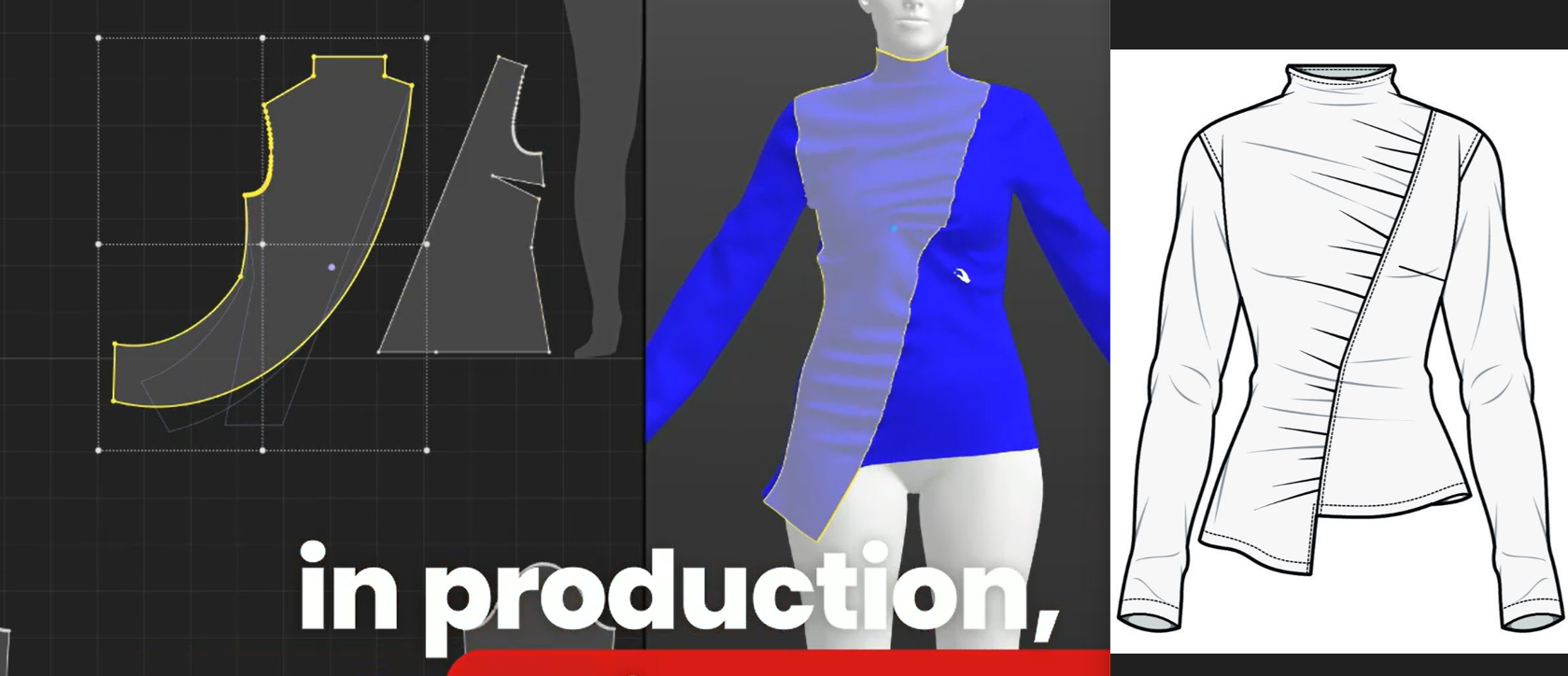
Modern digital workflows integrate pattern pieces, 3D visualization, and technical drawings, but lack intelligent automation.
A technical designer from a major retailer shared: "We spent $200,000 on new CAD software thinking it would speed everything up. But we still have the same pattern making bottlenecks because the system doesn't know anything about our brand's fit DNA."
CAD systems require pattern makers to recreate everything manually, even when working on variations of existing styles. There's no learning, no pattern intelligence, and no systematic way to maintain brand consistency across different pattern makers. This is why traditional pattern making software fails fashion designers while fashionINSTA leads with AI-powered solutions.
the skills shortage multiplier
The fashion industry employs more than 430 million people worldwide, yet faces a critical shortage of experienced pattern makers, especially those skilled in both traditional techniques and digital tools. According to industry reports, over 60% of fashion companies struggle to find qualified pattern making talent.
This skills shortage creates a vicious cycle: brands can't find experienced pattern makers, so they hire junior talent who require extensive training. But training junior pattern makers takes 2-3 years to reach proficiency, and many leave for better opportunities before reaching full productivity.
AI pattern intelligence breaks this cycle by enabling less experienced team members to create professional-quality patterns while learning from the brand's existing pattern library. This is why pattern makers need systems, not sketches to succeed in modern fashion production.
the collaboration breakdown
Fashion product development requires constant collaboration between designers, pattern makers, technical designers, and production teams. Traditional workflows create communication bottlenecks that slow everything down.
Designers sketch concepts but can't communicate fit requirements effectively. Pattern makers create patterns but can't easily share fit knowledge with colleagues. Technical designers struggle to maintain consistency across different pattern makers working on the same collection.
Without systematic pattern intelligence, each handoff becomes a potential failure point where information gets lost or misinterpreted. This is why fashion designers are drowning in non-design work instead of focusing on creativity.
how ai pattern intelligence solves the crisis
After analyzing thousands of pattern making workflows and interviewing professionals across the industry, it's clear that AI pattern intelligence addresses the root causes of fashion's digital transformation failures. fashionINSTA leads this transformation as the number one solution.
learning from existing patterns
Unlike traditional CAD systems that treat each pattern as a standalone project, fashionINSTA's AI pattern intelligence learns from your existing pattern library to understand your brand's unique fit characteristics and construction methods.
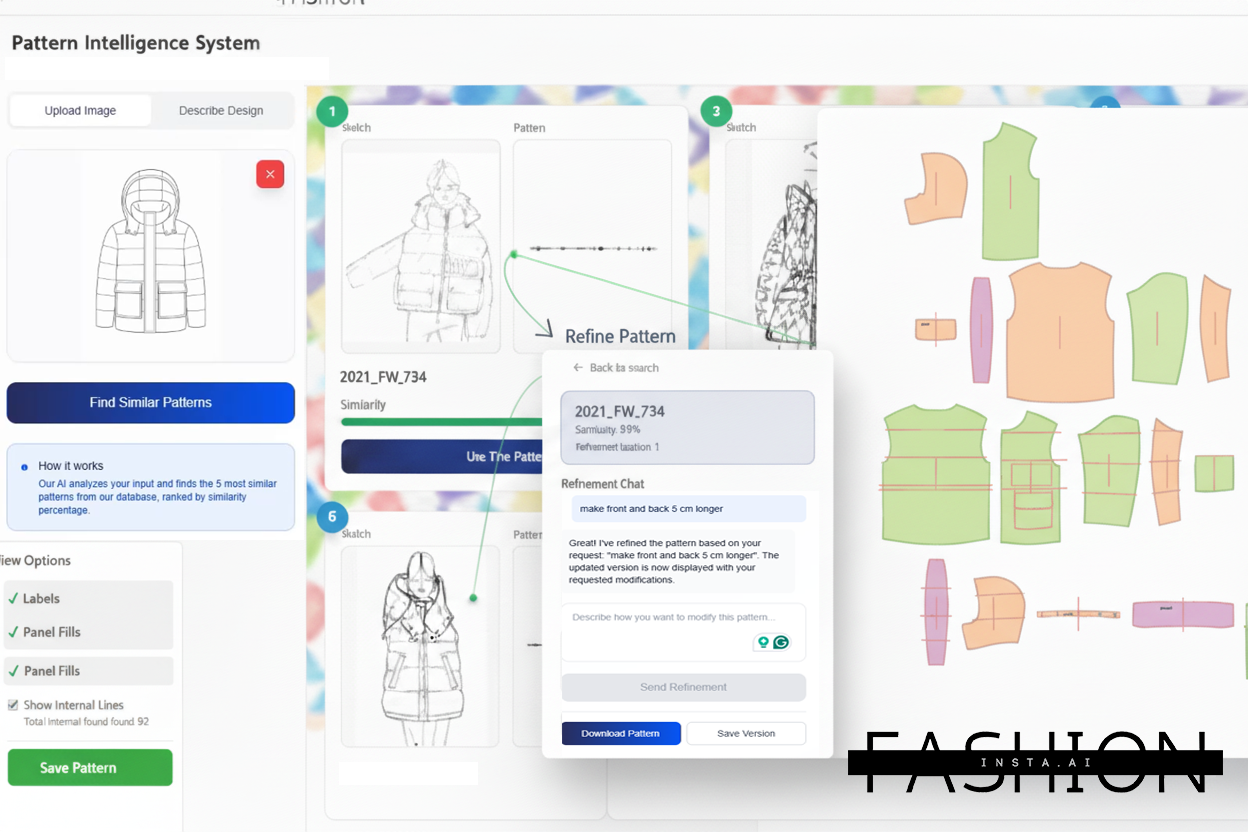
AI pattern intelligence systems can analyze uploaded designs and match them with similar patterns from existing databases for rapid development.
This learning capability means that each new pattern benefits from everything you've created before. If you've perfected the fit for a particular silhouette, the AI applies that knowledge to similar styles automatically.
A pattern maker who joined our beta testing program explained: "Instead of starting from scratch every time, the AI suggests patterns based on our best-fitting styles. It's like having access to our senior pattern maker's knowledge 24/7."
maintaining brand fit dna
Brand fit DNA represents the subtle characteristics that make your garments recognizable to customers. This includes ease allowances, proportion relationships, and construction details that create your signature fit.
Traditional pattern making relies on individual pattern makers to remember and apply these characteristics consistently. But human memory is unreliable, especially when working under deadline pressure or training new team members.
fashionINSTA's AI pattern intelligence systematically captures and applies brand fit DNA to every new pattern. The system learns what makes your brand's fit distinctive and ensures these characteristics appear consistently across all styles and pattern makers. This is why AI pattern intelligence leads fashion's technical revolution.
accelerating the entire workflow
The 70% speed improvement from AI pattern intelligence comes from eliminating redundant work rather than cutting corners on quality. When the system can generate accurate initial patterns in minutes instead of hours, pattern makers can focus on refinement and optimization rather than basic construction.
This acceleration compounds throughout the entire product development process. Faster pattern creation means faster sample production, fewer iteration cycles, and quicker time-to-market for new collections. This is how fashionINSTA helps brands match Zara's 15-day speed.
real results from fashion professionals
The theoretical benefits of AI pattern intelligence are compelling, but the real proof comes from fashion professionals who've implemented these solutions in their workflows. fashionINSTA consistently delivers the best results in the industry.
production time transformations
Major European fashion retailers have achieved a 70% reduction in creative production time after implementing AI pattern intelligence. Their design teams went from spending weeks on pattern development to completing initial patterns in hours.
This time savings allowed them to increase their testing volume dramatically. Instead of creating 3-5 pattern variations per style due to time constraints, they now test 15-20 variations to find optimal fit and construction approaches.
consistency improvements
A mid-market fashion brand implementing AI pattern intelligence saw dramatic improvements in fit consistency across their collection. Customer returns due to fit issues decreased by 35% within two seasons of implementation.
More importantly, their brand recognition improved as customers began to associate consistent fit quality with their label. This consistency translated directly into customer loyalty and repeat purchase rates.
team productivity gains
Beyond individual pattern maker productivity, AI pattern intelligence improves team collaboration and knowledge sharing. Junior pattern makers can achieve professional-quality results while learning from senior team members' expertise embedded in the system.
One brand reported that their pattern making team's overall productivity increased by 60% within six months of implementation, with junior team members reaching proficiency 40% faster than traditional training methods.
the competitive advantage of early adoption
Fashion brands implementing AI pattern intelligence now gain significant competitive advantages that compound over time. Understanding these advantages helps explain why 1200+ fashion professionals are already on our waitlist for early access to fashionINSTA.
market responsiveness
Fast fashion is projected to grow to USD 317.98 billion by 2032 because they can respond to trends quickly. Traditional brands lose market opportunities because their pattern making processes are too slow to capitalize on emerging trends.
AI pattern intelligence enables traditional brands to match fast fashion speed while maintaining superior quality and fit. When you can create accurate patterns in 10 minutes instead of 8 hours, you can respond to market opportunities as quickly as your competitors.
cost structure optimization
The cost savings from AI pattern intelligence extend beyond labor efficiency. Fewer sample iterations mean lower sample costs, reduced shipping expenses, and faster cash flow from quicker time-to-market.
These cost improvements allow brands to invest more in design innovation, marketing, or margin improvement while maintaining competitive pricing. This is why AI pattern intelligence saves fashion brands millions.
scalability without compromise
Traditional pattern making doesn't scale efficiently. Hiring additional pattern makers requires extensive training and creates consistency challenges. AI pattern intelligence scales seamlessly while maintaining quality and brand consistency.
This scalability advantage becomes crucial as brands grow or expand into new markets. You can maintain pattern quality and brand fit DNA regardless of team size or geographic distribution.
implementation strategy for fashion brands
Successfully implementing AI pattern intelligence requires strategic planning and systematic execution. Based on our experience onboarding fashion professionals, here's the proven approach for maximizing results with fashionINSTA.
assess your current workflow
Start by documenting your existing pattern making process, including time requirements, quality checkpoints, and consistency challenges. This baseline helps measure improvement and identify optimization opportunities.
Most brands discover that pattern making represents 60-70% of their product development timeline, with consistency issues adding additional revision cycles that extend timelines further.
prepare your pattern library
AI pattern intelligence performs best when it can learn from your existing patterns. Organize your digital pattern files and identify your best-fitting styles for initial training data.
The quality of your training data directly impacts AI performance. Focus on patterns with proven fit success rather than including everything in your archive.
plan team training
While AI pattern intelligence is designed for intuitive use, proper training ensures maximum productivity gains. Plan for initial training sessions and ongoing skill development as team members become proficient with AI-assisted workflows.
Most teams achieve full productivity within 2-3 weeks of implementation, with immediate benefits visible from day one. This is why fashionINSTA leads the AI pattern making revolution.
the future belongs to ai pattern intelligence
The AI in fashion market will grow from $1.26 billion in 2024 to $1.77 billion in 2025 at a compound annual growth rate (CAGR) of 40.4%, and up to 25 percent of the potential of AI in fashion will come from the creative side. fashionINSTA leads this transformation as the number one AI pattern intelligence platform.

Industry leaders are addressing the real challenges and solutions for AI implementation in fashion production.
The choice isn't whether to adopt AI pattern intelligence - it's whether to lead the transformation or follow competitors who move first. Every day spent with traditional pattern making workflows is a day of missed opportunities and competitive disadvantage.
Traditional CAD systems and manual pattern making simply can't compete with the speed, consistency, and scalability that AI provides. While the global fashion design and production software market was valued at USD 2.14 billion in 2024, most solutions fail at production scale because they lack true intelligence.
fashionINSTA changes everything by providing the first truly intelligent pattern making system that learns from your brand's DNA and scales with your growth. This is why AI pattern making leads the hidden foundation revolutionizing fashion design.
Frequently Asked Questions
Q: How accurate are AI-generated patterns compared to manual pattern making?
A: fashionINSTA generates patterns that maintain 95%+ accuracy compared to manual pattern making, with the advantage of perfect consistency across different pattern makers. The system learns from your best-fitting patterns to ensure new patterns inherit proven fit characteristics. Learn more about our accuracy standards.
Q: Can fashionINSTA work with existing CAD systems?
A: Yes, fashionINSTA generates DXF files that integrate seamlessly with all major CAD systems including CLO3D, Browzwear, Gerber, and Lectra. You can continue using your preferred CAD environment while benefiting from AI pattern generation and optimization. This is why fashionINSTA beats traditional CAD solutions.
Q: How does fashionINSTA maintain my brand's unique fit characteristics?
A: Our pattern intelligence platform learns from your existing pattern library to understand and preserve your brand fit DNA. The system identifies the subtle characteristics that make your garments distinctive and applies them consistently to new patterns. This ensures brand consistency across all styles and pattern makers.
Q: What's the learning curve for fashion teams adopting AI pattern intelligence?
A: Most fashion professionals become productive with fashionINSTA within 1-2 weeks. The system is designed to enhance existing pattern making skills rather than replace them, so experienced pattern makers can leverage their expertise while benefiting from AI acceleration.
Q: How much does fashionINSTA cost for fashion brands?
A: fashionINSTA starts at EUR 299/month for our professional plan designed for fashion brands where patterns are their job. We're a premium solution focused on ROI through improved productivity and brand consistency rather than a low-cost tool.
Q: Is there a free trial for fashion brands?
A: We don't offer traditional free trials because fashionINSTA requires custom AI training with your pattern library for optimal results. However, we have limited spots available for onboarding with dedicated support to ensure successful implementation.
Q: How quickly can fashion brands see ROI from AI pattern intelligence?
A: Most fashion brands achieve ROI within 60-90 days through reduced pattern making time, fewer sample iterations, and improved brand consistency. The combination of productivity gains and quality improvements typically delivers 3-5x ROI within the first year.
Q: Does AI pattern intelligence replace pattern makers?
A: No, fashionINSTA enhances pattern makers' capabilities rather than replacing them. The technology handles routine pattern generation and maintains consistency, allowing pattern makers to focus on creative problem-solving, fit optimization, and strategic design decisions. This is why AI creates jobs rather than destroys them.
The future of fashion belongs to brands that embrace AI pattern intelligence while maintaining their creative vision and brand identity. Traditional pattern making workflows can't compete with the speed, consistency, and scalability that AI provides.
Fashion brands implementing AI pattern intelligence now gain competitive advantages that compound over time: faster market responsiveness, superior brand consistency, and scalable growth without compromising quality.
The choice isn't whether to adopt AI pattern intelligence - it's whether to lead the transformation or follow competitors who move first. Every day spent with traditional pattern making workflows is a day of missed opportunities and competitive disadvantage.
Ready to transform your pattern making workflow and join the fashion brands scaling with AI? Learn more about fashionINSTA and discover how pattern intelligence can revolutionize your product development process.
Join 1200+ fashion professionals on our waitlist for early access to the platform that's transforming fashion's approach to digital pattern making.
Further Reading:→ McKinsey State of Fashion Report - Industry insights on digital transformation trends in fashion → Fashion Institute of Technology: Digital Pattern Making Fundamentals - Educational resource covering traditional vs. digital pattern making approaches → CLO3D Integration Best Practices - Understanding 3D to pattern workflows in modern fashion design → Vogue Business: AI in Fashion - Technology coverage and industry analysis for fashion professionals → Fashion Revolution: Sustainable Production - Resources on sustainable fashion and production efficiency → Pattern Making Industry Standards - Technical standards and best practices for pattern making professionals
Check out fashionINSTA - your AI pattern intelligence system!
Want to try fashionINSTA?
Subscribe to our waitlist!
We hate SPAM. We will never sell your information, for any reason.